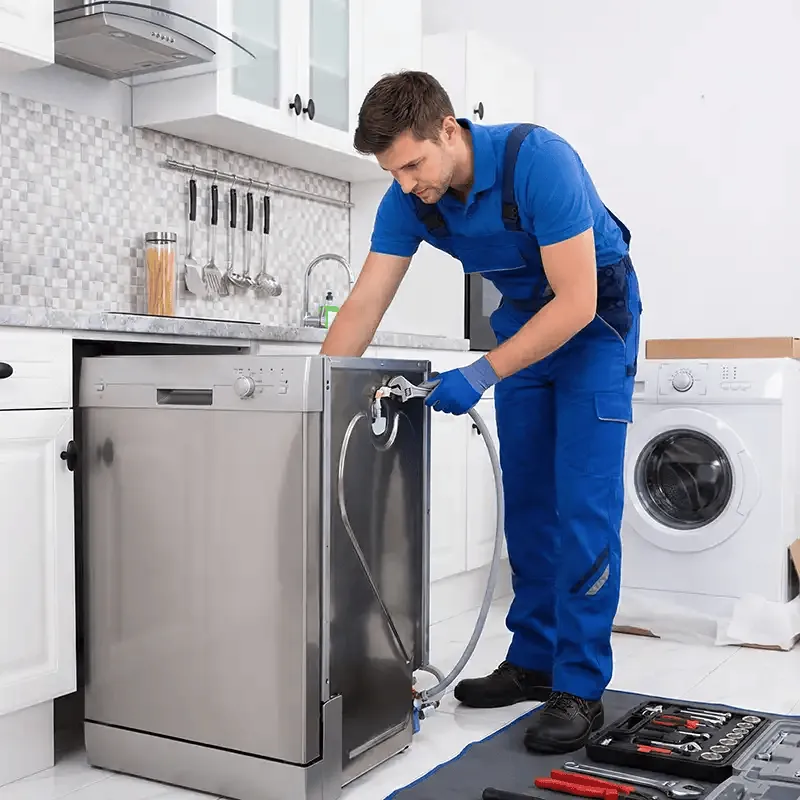
When you purchase new home equipment, you need professional appliance installation in Vancouver to ensure all water and gas connections are leak-free and code-compliant. At VPS Vancouver Plumbing Services, we handle the technical setup for your kitchen and laundry rooms. Our licensed team specializes in dishwasher installation, washing machine installation, and fridge water line connections, providing a seamless experience available 24/7 across the Lower Mainland.
Most appliance floods start at the connection, not inside the machine. We connect dishwashers, washing machines, fridge water lines, steam dryers and laundry rough-ins across Vancouver, North and West Vancouver, Burnaby and Coquitlam, with a written price before we start and a written warranty on the work.
Vanco Plumbing is a licensed and insured plumbing company based in North Vancouver. We do scheduled installations six days a week and answer emergency calls 24/7, which matters more than it sounds: a supply hose that lets go behind a washer does not wait for business hours.
Call (604) 603-3660 to book an installation, or keep reading and do the free check below first. It takes ten minutes and it changes what your install day looks like.
Do this free 10-minute check before your delivery day
Appliance retailers deliver on their schedule, not yours. Delivery crews are usually allowed to connect an appliance only if the existing valve, drain and space are already in good shape. If they are not, the machine gets left in the middle of your kitchen. These four checks tell you in advance whether that is going to happen. None of them cost anything.
- Turn the shut-off valve off, then back on. Under the sink for a dishwasher, on the wall behind a washer. An old valve that has not moved in ten years often refuses to close, or closes and then weeps from the stem. Find that out this week, not while a delivery driver waits in your driveway.
- Read the date on your existing washer hoses. Rubber supply hoses are usually stamped with a manufacturing date. If the stamp is more than five years old, or the hose feels stiff, bulges near the fitting, or shows a rust ring at the collar, plan on replacing it with braided stainless steel. A new washer on old hoses is a new machine sitting on the weakest part of the system.
- Measure three things, not one. The appliance opening, the narrowest doorway or stair turn on the route in, and the distance from the back of the appliance to the wall connection. Front-load washers with steam and modern dishwashers with third racks are often deeper than what came out. A machine that fits the cabinet but not the hallway is still a machine that goes back on the truck.
- Run the paper-towel test after the first two cycles. Once anything is connected, by us or by anyone, wrap a dry paper towel around each connection point and leave it there. Check it after the first cycle, then after the second. A seep that is invisible to the eye shows up on paper long before it shows up on your floor or your downstairs ceiling.
If any of the first three checks fail, tell us when you call. We will bring the valve, the hoses or the fittings with us instead of discovering the problem at your address.
What we install
Dishwasher installation
A dishwasher install is three connections and one detail people skip. The water supply comes off a dedicated valve under the sink, the drain hose ties into the sink drain or disposal port, and the unit needs power. The detail is the drain hose loop: it has to rise high under the counter and be fastened there, so dirty sink water cannot siphon backwards into a machine full of clean dishes. Most leaks and most complaints about smell in a dishwasher come back to that loop being left slack on the cabinet floor.
We also level the unit on all four feet and check that the door closes on its own weight. An unlevel dishwasher does not drain fully, which is the real cause of most standing water at the bottom of the tub.
Fridge water lines and ice makers
If your kitchen already has a line, we connect it, check the valve and pressure-test the joint. If it does not, we run a new line. Where that line goes is the whole conversation: through the cabinet run, through the floor from a basement or crawlspace, or off the nearest cold line. In Vancouver’s older houses and in strata units, the honest answer is sometimes that the tidy route does not exist and the choice is between a visible line and opening a small section of wall. We show you the options before we cut anything.
Saddle valves, the small piercing valves that clamp onto a copper pipe, are common in older kitchens and they are a known slow-leak source. If we find one feeding your fridge, we will recommend replacing it with a proper tee and stop valve.
Washing machine installation
Hot and cold supply on braided stainless hoses, the drain hose secured into the standpipe, and the machine levelled so it does not walk during the spin cycle. Modern high-efficiency washers spin fast and pump hard, which puts more strain on the drain than the machines they replaced. We check that the standpipe is deep enough and properly trapped rather than assuming what is in the wall is right, because a shallow or untrapped standpipe pushes water back out over the top of the pipe on every drain cycle.
Laundry rough-ins for a new or relocated laundry room
Adding laundry to a basement, a second floor, or a suite is a plumbing project, not an appliance hookup. It needs hot and cold supply, a properly sized and trapped drain, a vent, and in most basements a decision about whether the drain can reach the sewer by gravity at all. Where it cannot, the discharge has to go to a sump or a laundry pump. If that is your situation, read our sump pump installation, then call us. We would rather talk through the drainage before you buy the machines.
Steam dryers
Steam cycles need a cold water feed. Usually that means a Y-connector on the washer’s cold supply and a separate hose to the dryer. It is a small job that goes wrong in one specific way: a cheap plastic Y under constant pressure, tucked behind a machine nobody moves for years. We use metal connectors and we leave the connection where you can see it.
Gas ranges, cooktops and gas dryers
In British Columbia, connecting a natural gas or propane appliance is regulated work. Installing, repairing or servicing natural gas and propane appliances is overseen by Technical Safety BC and must be done by a licensed gas contractor with a qualified gas fitter, and a permit is required for any new gas installation or alteration. The installation standard is CSA B149.1. There is a narrow homeowner permit route for work on a fully detached home you own and live in, but it does not extend to strata units, duplexes or rentals.
What that means for you as a customer: ask any company who is doing the gas connection and under what licence, and ask to see the permit. That applies to us as much as anyone.
What we deliberately do not cover on this page
Two jobs sit next to appliance installation and have their own pages, because they are different work with different pricing:
- Garburators and food waste disposals. Mounting, wiring, jam clearing and replacement all live on our garburator repair and installation, which also has a free reset trick to try before you call anyone.
- Sinks, faucets and fixtures. If you are replacing the sink or the tap at the same time as the dishwasher, that is fixture work. See faucet and fixture installation for replacements, or faucet repair if the existing tap drips. We happily do both in one visit; we just quote them as two line items so you can see what you are paying for.
Where appliance installations actually leak
After enough call-outs, the failure points stop being a surprise. In rough order of how often we are called back to somebody else’s work:
- The supply hose. Rubber hoses harden and split, usually at the crimped collar. Braided stainless is not immortal either, but it fails slowly and visibly instead of suddenly.
- The old shut-off valve. Reusing a twenty-year-old valve because it happened to still be closed is the single most common shortcut. The stem packing gives up a week later and drips into the cabinet floor, where nobody looks.
- The dishwasher drain hose. Left low, unsecured, or pushed onto a disposal port with the shipping plug still in place. That last one produces a dishwasher that fills with water and an owner who blames the appliance.
- Thread sealing on the wrong material. Plastic fittings, compression joints and tapered threads each want different treatment, and over-tightening a plastic nut cracks it days later. Our article on stopping leaks in plastic pipe covers this in detail if you want to understand what a good joint looks like.
- The standpipe. Too shallow, no trap, or the drain hose jammed so far down that it siphons. Water comes over the top of the pipe and across the floor once per load.
- Vibration on an unlevel machine. Six months of walking loosens the connections you made correctly on day one.
None of this is exotic. It is the same list every experienced plumber would give you, which is the point: the work is not complicated, it is only unforgiving. A connection that is 95 percent right leaks.
Which rules apply in your city
People assume there is one Vancouver plumbing code. There is not, and the difference matters if you are pulling a permit for a laundry rough-in.
- City of Vancouver enforces the Vancouver Building By-law, which is the city’s own code and is amended separately from the provincial one.
- North Vancouver, West Vancouver, Burnaby and Coquitlam work from the BC Building Code, whose plumbing provisions are based on the National Plumbing Code of Canada.
- Gas work anywhere in the province falls under Technical Safety BC and the Gas Safety Regulation, separate from the plumbing permit path.
One concrete example of what that code actually says: under the National Plumbing Code of Canada, where a clothes washer does not drain into a laundry tray, the trap inlet must be fitted with a vertical standpipe at least 600 mm long measured from the trap weir, terminating above the flood level rim of the washer. The 2020 edition also calls for that trap inlet to be no smaller than NPS 2. If your basement has a short 1.5 inch standpipe feeding a new high-efficiency washer, that is why it overflows, and swapping the machine will not fix it.
Simple like-for-like appliance swaps generally do not need a permit. New piping, a new drain, a relocated laundry room, or any gas work is a different matter, and the permit is what gets the work inspected and on record. We will tell you which category your job is in before we quote it, not after.
What the appointment looks like
- We ask questions on the phone. Appliance make and model, what is there now, whether the valve turns, whether it is a house, a suite or a strata. Five minutes on the phone prevents most second visits.
- Written price before we start. You approve a fixed price in writing before any tool comes out. If we open a cabinet and find a seized valve or a rotted drain, we stop, show you, and re-quote. Nothing gets added silently. For a general sense of what plumbing work costs in this market, see our pricing page.
- We connect and test. Supply on, full cycle run, connections checked under pressure and again under drain load, not just at the moment of hookup.
- We show you what we did. Where the shut-off is, what to look at in six months, and which hose is which. If the job involved a drain that looked questionable, we can put a camera down it and give you the recording, before and after, so you are not taking our word for the condition of your pipe. That is the same process described on our camera drain inspection page.
- Written warranty on our work, plus the paperwork you may need for a manufacturer warranty claim.
When appliance installation is not what you need
This section exists because sending you to the wrong service wastes your money and our time.
- The old appliance was fine and the drain is the problem. If the kitchen sink was already slow, or the laundry drain gurgled before the new washer arrived, a new machine will not change it. Start with drain cleaning, or read the drainage and sewer overview to work out which service fits the symptom.
- Water is on the floor right now. Do not book an installation, call the emergency line. Emergency plumbing is the right page, and our short guide on what to do in the first five minutes before a plumber arrives is worth two minutes of reading while you wait.
- The water came up out of a floor drain or a toilet, not out of the machine. That is a sewer issue, not an appliance issue. See sewer backup and water damage.
- You are replacing the sink or tap, not the appliance. That is fixture installation.
- Your hot water cannot keep up with the new dishwasher and washer. That is a capacity question about the tank, not the appliance. See hot water tank replacement.
- You are in a strata and have not asked yet. Many buildings require notice, a certificate of insurance, or restrict work to certain hours before anyone touches a shut-off that affects a shared riser. Ask your property manager first. We can send our insurance documents directly to them.
- You are a tenant. Get written approval from the owner before booking work that changes the plumbing. Connecting a portable washer to a tap is a different matter, but a new standpipe is not.
Kitchens, laundry rooms and the rest of the house
Appliance work often surfaces during a bigger renovation. If you are planning a kitchen, our kitchen plumbing services page covers the wider scope, and shower and bathtub plumbing covers the bathroom side. If a renovation opened up a drain problem you did not know about, sewer line repair and hydro jetting are the next pages to read.
Where we work and how fast we get there
Scheduled installations are booked with an arrival window so you are not waiting all day. If something leaks after we are gone, or after anyone else has been there, these are the emergency response targets we hold ourselves to, 24 hours a day, every day of the year:
- Vancouver and Downtown Vancouver: under 25 minutes
- West Vancouver: under 30 minutes
- Burnaby: under 40 minutes
- North Vancouver: under 45 minutes
- Coquitlam: under 45 minutes
Full details for each city are on our service areas pages.
Frequently asked questions
Will you install an appliance I bought somewhere else?
Yes. Most of the appliances we connect were bought from a big-box store or an appliance retailer whose delivery crew declined to hook them up. We do not sell appliances, so we have no interest in which brand you chose.
How long does a typical installation take?
A straightforward dishwasher or washer swap where the valve, drain and space are all in usable condition is usually under two hours. A fridge line into a kitchen with no existing line runs longer, and a laundry rough-in is a half-day to multi-day job depending on drainage. We give you a time estimate with the written price, not after.
Do you take the old appliance away?
We disconnect it, cap the connections safely and move it out of the way. Haul-away and disposal is not something we can promise on every job, so ask when you book. Many retailers will remove the old unit when they deliver the new one if you request it at purchase, which is usually the cheapest route.
My kitchen has no water line for a fridge. Can you add one?
Almost always, yes. The question is the route. From a basement or crawlspace below, it is straightforward. In a slab-on-grade or an upper-floor condo it may mean going through cabinetry or opening a small section of wall. We will show you the options and the trade-offs before starting, and you decide.
Are braided steel hoses worth it, and when should they be replaced?
Yes, and they are inexpensive relative to a flooded floor. Manufacturers typically publish a replacement interval for supply hoses in the appliance manual, so check yours, and treat any hose with a rust ring, a stiff section or a bulge near the fitting as due now regardless of age. If your existing hoses have no date stamp at all, that itself tells you something.
Can I put a washer and dryer in a basement with no drain?
Sometimes. If the drain cannot reach the sewer by gravity, the washer discharge has to go to a sump or a dedicated laundry pump, which needs to be sized and vented properly. It is a real project, not a hookup. See our sump pump installation and then call so we can look at the elevations.
Do I need a permit to install a dishwasher or a washing machine?
A like-for-like swap using existing connections generally does not require one. New piping, a new drain or standpipe, a relocated laundry room, or any gas work usually does, and the permitting authority depends on your city. The City of Vancouver works from the Vancouver Building By-law; Burnaby, Coquitlam, North Vancouver and West Vancouver work from the BC Building Code. We tell you which situation you are in before quoting.
Can you connect my gas range or gas dryer?
Gas work in British Columbia is regulated by Technical Safety BC and can only be done by a licensed gas contractor with a certified gas fitter, under a gas installation permit. Ask any company for their licence and permit, including us. Call and ask specifically about gas, because it is a separate licence from plumbing.
The shut-off valve under my sink will not turn. What now?
Stop turning it. A seized valve that is forced usually breaks at the stem, and then you have an open pipe instead of a stuck one. It is a routine replacement for us and we will bring the valve with us if you mention it when you book.
How much does appliance installation cost in Vancouver?
We do not publish a flat number, because a two-hour swap and a basement laundry rough-in are not the same job, and quoting a number that does not survive contact with your cabinet would not help you. You get a fixed written price before work starts. For third-party context on local rates, the 2026 UrbanTasker guide puts general plumbing labour in Canada at roughly $90 to $200 per hour, and higher in major cities. Our pricing page explains how we build a quote.
If I install it myself, does that void the warranty?
It depends on the manufacturer and on what fails. Many warranties exclude damage caused by improper installation, and some ask for proof of professional installation for water-connected appliances. The bigger exposure is your home insurance: a water damage claim traced to a connection you made yourself is a harder conversation than one traced to a licensed contractor’s invoice. Read your appliance manual and your policy wording before deciding.
Do you install stacked washer and dryer units, or pedestals?
Yes, including stacking kits and pedestals. Tell us the model when you book, because stacked units in a closet often leave no room to work behind the machines, which changes how the connections have to be made.
My new dishwasher drains slowly, or backs up. Is that the installation?
Check two things before assuming the machine is faulty. If the unit connects to a garburator, the shipping plug in the disposal’s dishwasher inlet may still be in place, which blocks the drain completely. If the sink was already slow, the problem is the drain line, not the appliance. Our drain cleaning page covers what to try first.
Do you install or repair garburators?
Yes, but it is separate work with its own page, and there is a free reset that fixes a surprising number of dead units. Start at garburator repair and installation before booking anything.
Book your appliance installation
Tell us the appliance, the address and whether the shut-off valve turns, and we will book an installation window and bring what your specific job needs. Written price first, written warranty after.
Call (604) 603-3660. Emergency line answered 24/7, every day of the year. Serving Vancouver, Downtown Vancouver, North Vancouver, West Vancouver, Burnaby and Coquitlam.
Last updated: September 3, 2026. Written by the Vanco Plumbing service team, North Vancouver. Code references are provided for general guidance and are not a substitute for confirmation from your municipal permit office.